التمكين الدبلوماسي التنموي (DDE) مأسسة التنمية المستدامة بوصفها قوة ناعمة بنيوية في السياسة الخارجية العربية
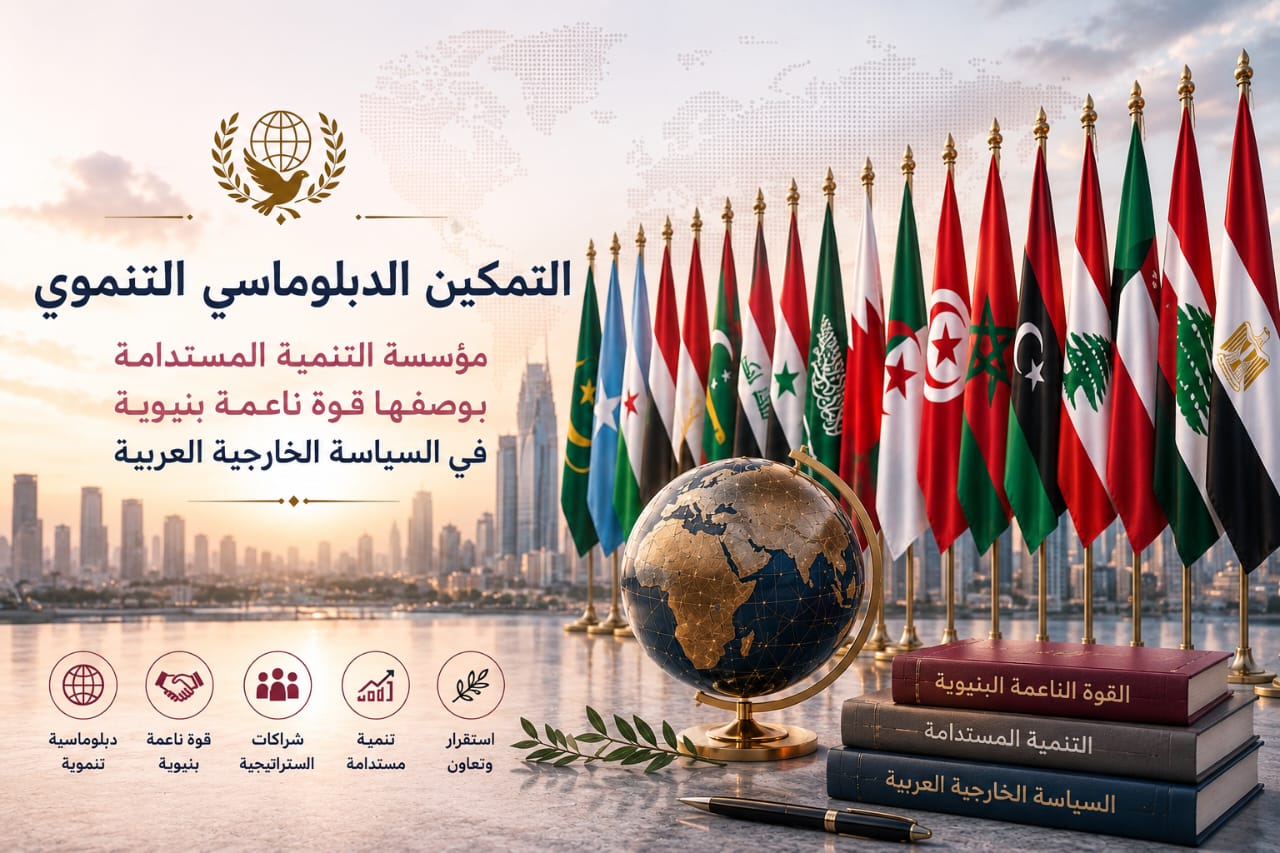
تنطلق هذه الدراسة من فجوة نظرية في أدبيات الدبلوماسية التنموية تتمثل في غياب إطار تحليلي يفسر كيف تتحول التنمية المستدامة إلى مورد بنيوي لإنتاج النفوذ الدبلوماسي عند دمجها مؤسسيًا داخل بنية صنع القرار الخارجي. وتهدف الدراسة إلى اختبار إطار تحليلي مقترح هو (التمكين الدبلوماسي التنموي (Developmental Diplomatic Empowerment – DDE) بوصفه عدسة تفسيرية تربط بين المأسسة المؤسسية والاستدامة الاستراتيجية وتعدد الفاعلين في تفسير العلاقة بين التنمية والنفوذ الدولي.
تعتمد الدراسة تصميمًا نوعيًا تحليليًا–مقارنًا يقوم على تحليل الوثائق والاستراتيجيات الوطنية والمبادرات التنموية ذات الامتداد الخارجي في أربع حالات عربية هي قطر والإمارات العربية المتحدة والمغرب وفلسطين، بهدف اختبار قابلية تشغيل الإطار عبر سياقات سياسية واقتصادية متباينة.
تُظهر النتائج أن التنمية تتحول إلى شكل من أشكال النفوذ الناعم البنيوي عندما تتوافر ثلاثة شروط مترابطة: وجود مأسسة مؤسسية تربط التنمية بالسياسة الخارجية، ودمج الاستدامة في السردية الوطنية الخارجية، وتوظيف المبادرات التنموية عبر شبكات شراكات دبلوماسية متعددة المستويات. كما تكشف المقارنة أن النفوذ التنموي لا يتخذ نمطًا واحدًا، بل أنماطًا متعددة تتحدد وفق التكوين المؤسسي ونمط توظيف الأدوات التنموية.
تسهم الدراسة في الأدبيات الدولية من خلال توضيح الآليات المؤسسية التي تربط دمج التنمية في السياسة الخارجية بإنتاج أنماط مختلفة من النفوذ الدبلوماسي، وتقدم إطارًا تحليليًا قابلًا للاختبار في دراسات مقارنة عابرة للأقاليم.

هذا العمل مرخص بموجب Creative Commons Attribution-NonCommercial 4.0 International License.
- الأحبابي، سلمان فارس سالم. (2024). المساعدات التنموية والإنسانية القطرية عبر الأمم المتحدة: القوة الناعمة وتعزيز المكانة الدولية. مركز الإمارات للدراسات والبحوث الاستراتيجية.
- (English References)
- 1. Al-Ahbabi, S. F. S. (2024). Qatar’s development and humanitarian aid through the United Nations: Soft power and national interest. Doha Institute for Graduate Studies.
- 2. Alves, A. C. (2022). Development diplomacy in the Global South: Rethinking aid, influence, and global partnerships. Third World Quarterly, 43(1), 45–62. https://doi.org/10.1080/01436597.2021.1965872
- 3. Amnesty International. (2023). Israel’s apartheid against Palestinians: A cruel system of domination and a crime against humanity. Amnesty International.
- 4. Bachmann, V., & Sidaway, J. D. (2023). Developmental geopolitics and soft power strategies in a changing global order. Geopolitics, 28(2), 355–374.
- https://doi.org/10.1080/14650045.2021.1965879
- 5. Bergamaschi, I. (2023). Sustainable partnerships and global development cooperation in transition. Development Policy Review, 41(1), e12610.
- https://doi.org/10.1111/dpr.12610
- 6. Chaturvedi, S. (2023). Reimagining development diplomacy: Southern perspectives and institutional innovations. International Development Policy, 15(1), 77–95.
- 7. El-Masri, S. (2022). Soft power, development, and state branding in the Middle East. Journal of International Relations and Development, 25(3), 512–530.
- 8. Gulrajani, N. (2020). The rise of new development diplomacy in middle-income countries. Public Administration and Development, 40(4), 159–173.
- 9. Hertog, S. (2022). State capitalism and development diplomacy in the Gulf: Corporate extensions of foreign policy. Middle East Journal, 76(4), 521–540.
- 10. Joffé, G. (2024). Sustainable development and geopolitical partnerships in the MENA region. Middle East Policy, 31(1), 35–54.
- 11. Le More, A. (2008). International assistance to the Palestinians after Oslo: Political guilt, wasted money. Routledge.
- 12. Lund, C. (2022). Diplomacy and development: Institutional convergence and global governance. Global Affairs, 8(2), 101–118.
- 13. Lund, C., & Carlsnaes, W. (2021). Global development diplomacy: Understanding the evolution of development as statecraft. International Studies Quarterly, 65(4), 1021–1038.
- 14. Milton-Edwards, B. (2020). Contemporary politics in the Middle East (4th ed.). Polity Press.
- 15. Molajani, M. (2021). Development diplomacy revisited: Security, economics, and international partnerships. Policy and Society, 40(3), 403–420.
- 16. Nye, J. S. (2021). Soft power: The evolution of a concept. Foreign Policy Analysis, 17(3), orab013. https://doi.org/10.1093/fpa/orab013
- 17. OECD. (2022). Regional development trends in North Africa. OECD Publishing.
- 18. Roth, K. (2023). Development as an instrument of foreign policy. Foreign Affairs, 102(3), 88–104.
- 19.
- Sasse, G. (2022). Civil society and international legitimacy in conflict-affected regions. Global Civil Society Yearbook.
- 20. UNDP. (2022). Human development report 2021/2022: Uncertain times, unsettled lives. United Nations Development Programme.
- 21. UNDP. (2023). Programme of assistance to the Palestinian people: Annual report. United Nations Development Programme.
- 22. Wilson, C. (2022). Soft power, sustainable development, and global interdependence. Global Governance, 28(1), 55–71.
- 23. Woertz, E. (2023). Gulf economic diplomacy and global development engagement. Middle East Policy, 30(2), 74–90.
- 24. World Bank. (2021). West Bank and Gaza economic monitoring report. World Bank.
- 25. World Bank. (2023). Climate and development in the Middle East and North Africa. World Bank.
المؤلفات المشابهة
- Dr. Ali Fahim Jafar, Dr. Ibrahim Khalil Sultan, Financial-monetary integration and sustainable development in Iraq:analysis of the asymmetric impact of green financing thresholds using thetvar-Copula model , المجلة الدولية للدراسات الاقتصادية: مجلد 9 عدد 38 (2026): مجلد 9 عدد 38 (2026): Issue 38
- علاء سليمان محمد, إدارة التغيير التنظيمي وأثرها في تنمية رأس المال البشري في المؤسسات التعليمية الحكومية: دراسة ميدانية في المديرية العامة لتربية الأنبار , المجلة الدولية للدراسات الاقتصادية: مجلد 9 عدد 37 (2026): المجلة الدولية للدراسات الاقتصادية
- Hawraa Radhi Sabih Al-Musaed, تطوير النظام المحاسبي العراقي بما يتلائم مع متطلبات الاقتصاد الرقمي:دراسة تحليلية للمعوقات والفرص في المؤسسات الخدمية , المجلة الدولية للدراسات الاقتصادية: مجلد 9 عدد 38 (2026): مجلد 9 عدد 38 (2026): Issue 38
- Khalid Ahmed Mohammed Almasany, د. من السيد علي حسين, Dr. Jamal Abdul Ghafour Mohammed, Prof. Dr. Munir Hazaa Abdullah Al-Sarouri, معايير القبول في الجامعات اليمنيةالواقع والتطلعات(دراسة إحصائية تطبيقية على كليات الطب في الجمهورية اليمنية) , المجلة الدولية للدراسات الاقتصادية: مجلد 9 عدد 38 (2026): مجلد 9 عدد 38 (2026): Issue 38
- م.م. وابلة مهدي صالح, أثر السياسات النقدية في إستقرار القطاع المصرفي العراقي دراسة قياسية تحليليلة للمدة (2015–2025) , المجلة الدولية للدراسات الاقتصادية: مجلد 9 عدد 38 (2026): مجلد 9 عدد 38 (2026): Issue 38
- Naoufel Liouane, Fragmentation géopolitique mondiale et reconfiguration des partenariats commerciaux africains : une analyse fondée sur un modèle gravitationnel (2010-2021) , المجلة الدولية للدراسات الاقتصادية: مجلد 9 عدد 37 (2026): المجلة الدولية للدراسات الاقتصادية
- خالد بن سلام بن سالم العامري, العوامل المحددة لنجاح الشركات الناشئة في سلطنة عُمان: مراجعة أدبية تحليلية , المجلة الدولية للدراسات الاقتصادية: مجلد 9 عدد 37 (2026): المجلة الدولية للدراسات الاقتصادية
- Nizar Abdullah Dhiyab Ali, دور إدارة جودة القروض في تحسين نسب السيولة وكفاية رأس املال االحترازية للمصارفالتجارية في محافظة األنبار , المجلة الدولية للدراسات الاقتصادية: مجلد 9 عدد 38 (2026): مجلد 9 عدد 38 (2026): Issue 38
- shatha salem dily, Ibrahim khalil sultan, The Impact of Oil Price Fluctuations on Economic Growth in Iraq: A Dynamic Econometric Analysis Using the Vector Autoregression (VAR) Model , المجلة الدولية للدراسات الاقتصادية: مجلد 9 عدد 37 (2026): المجلة الدولية للدراسات الاقتصادية
- Prof. Dr. Khaled Lafi Al-Neif, Amr Khaled Al-Neif, استخدام الذكاء الاصطناعي القابل للتفسير في استخراج وتفسير الاشارات النقدية من السلوك المالي الرقمي:دليل من الاردن , المجلة الدولية للدراسات الاقتصادية: مجلد 9 عدد 38 (2026): مجلد 9 عدد 38 (2026): Issue 38
يمكنك أيضاً إبدأ بحثاً متقدماً عن المشابهات لهذا المؤلَّف.